Converting Traffic into Leads for Green Future Project

Year

2024

Timeline

3 months (Jul - Sep 2024)

Company

Green Future Project (GFP)
B2B

SaaS

Climate Tech

Responsive

Feature

Data-informed decisions

My role

As the sole product designer on this project, I led the end-to-end optimization process, from analysis and hypothesis generation to running experiments. I also guided the BDR team in collecting informal feedback from leads to uncover insights that heatmaps couldn't capture.

The team

  • Product Designer (me): Heatmap analysis, design experiments, CTA and form iterations, and guidance on leads feedback collection

  • Chief Product Officer: Strategic oversight and decision-making

  • Business Development Representative: Metrics tracking, lead data, and direct feedback collection from leads

Button components on GFP design system

Context

While Green Future Project had built a strong client network through referrals, the website represented an opportunity to scale beyond the existing network. The target was a 13% increase in the contact conversion rate, across three available contact channels:

  • A contact form accessible at the bottom of every page.

  • A "Talk to an expert" button in the top navigation offering two options: Booking a demo via an external scheduling link, or calling directly.

Problem

The website had decent traffic but an extremely low contact conversion rate. The contact form was the only channel driving consistent conversions while the more direct, higher-quality channels (book a demo and phone) were barely being used, which meant the BDR team was missing out on quicker opportunities.

Challenges

Diagnosing the drop-off

Understanding why users weren't converting through the faster contact channels despite arriving on the site with apparent intent.

Identifying the friction point

Determining whether the issue lived in the website itself or somewhere outside it.

Lean experimentation

Running meaningful experiments with limited dev resources and time, without losing rigor in the process.

Decisions & Tradeoffs

Every experiment taught us something, but not every insight pointed to an obvious fix. The optimization process required balancing speed with rigor, and quick visual wins with deeper structural changes.
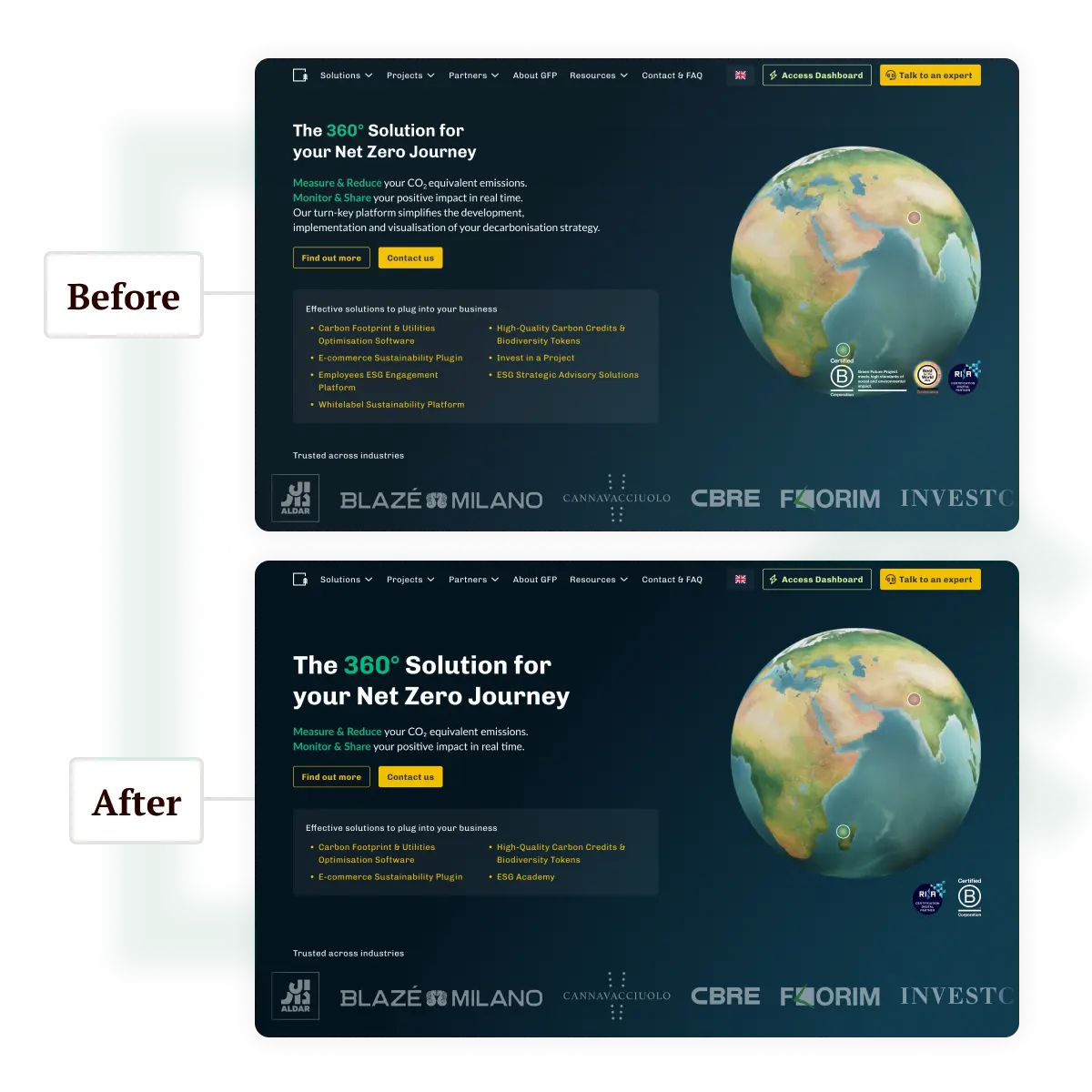
Cleaning up the hero section to improve CTA visibility

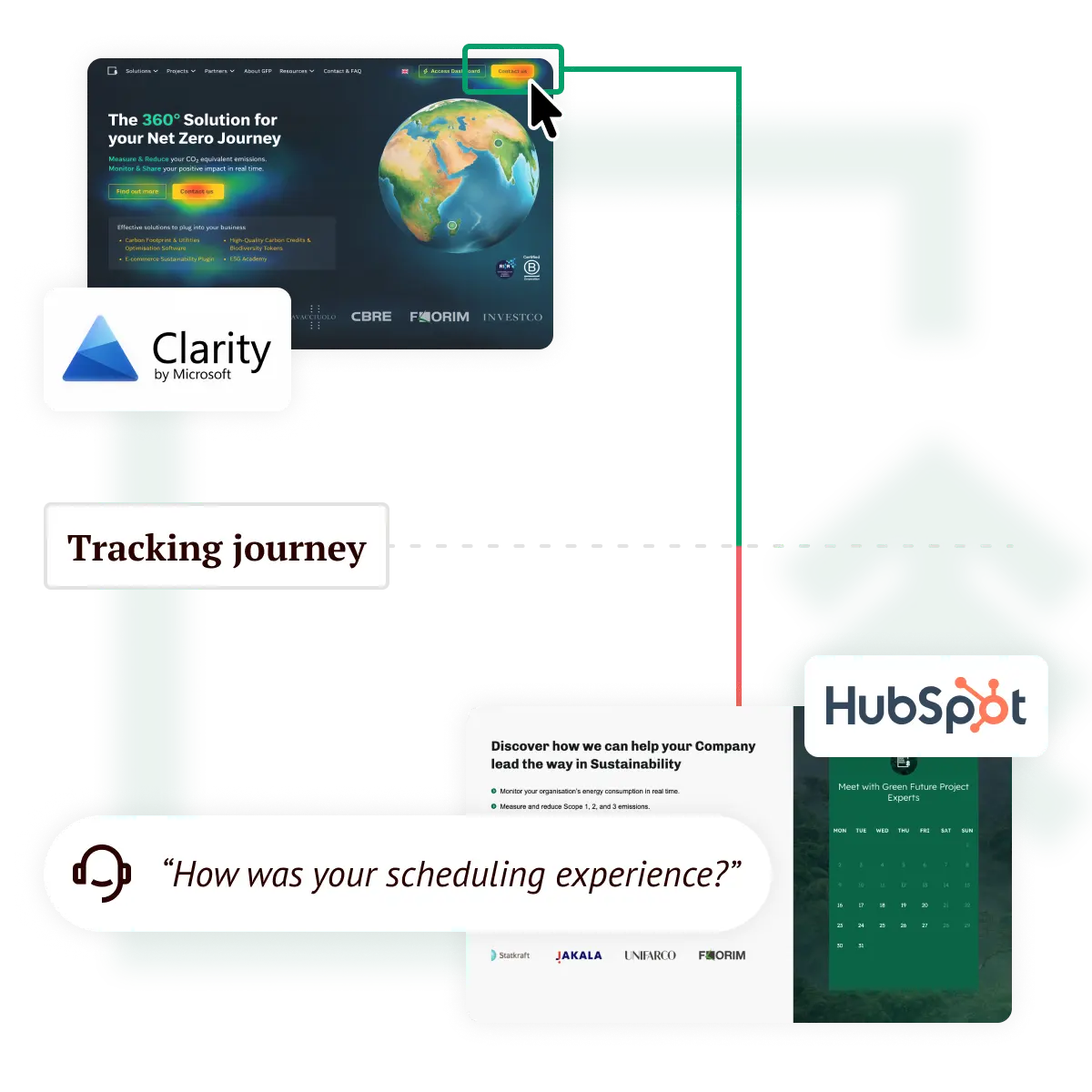
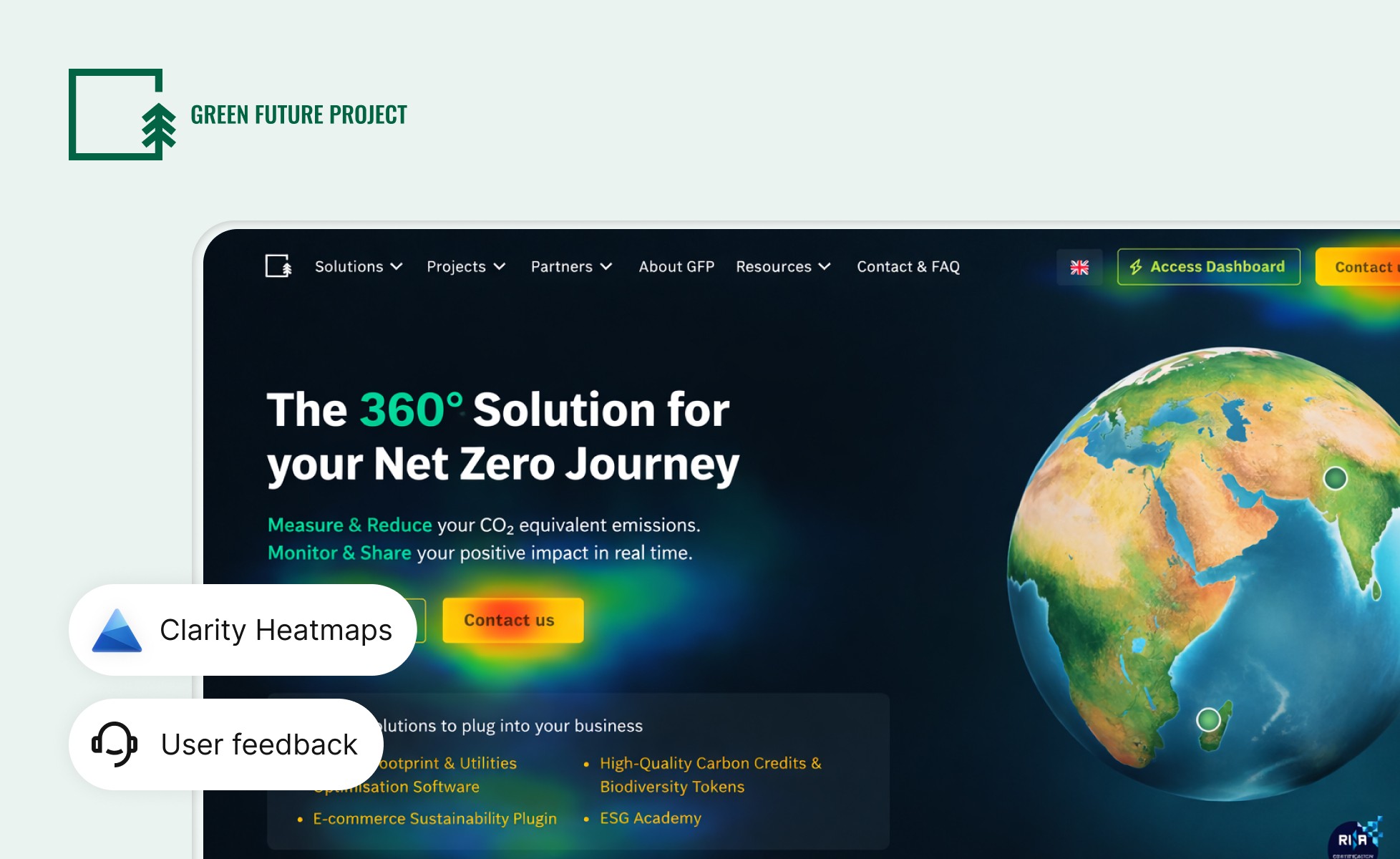
Heatmap analysis revealed that users weren't clicking the "Talk to an expert" button in the top navigation. We started by cleaning up the hero section to reduce visual noise and clicks improved, but no conversion was coming out from them.

Trade-off: Quick visual win vs. real impact. Useful as a first step, not a solution.

Cleaning up the hero section to improve CTA visibility

Heatmap analysis revealed that users weren't clicking the "Talk to an expert" button in the top navigation. We started by cleaning up the hero section to reduce visual noise and clicks improved, but no conversion was coming out from them.

Trade-off: Quick visual win vs. real impact. Useful as a first step, not a solution.

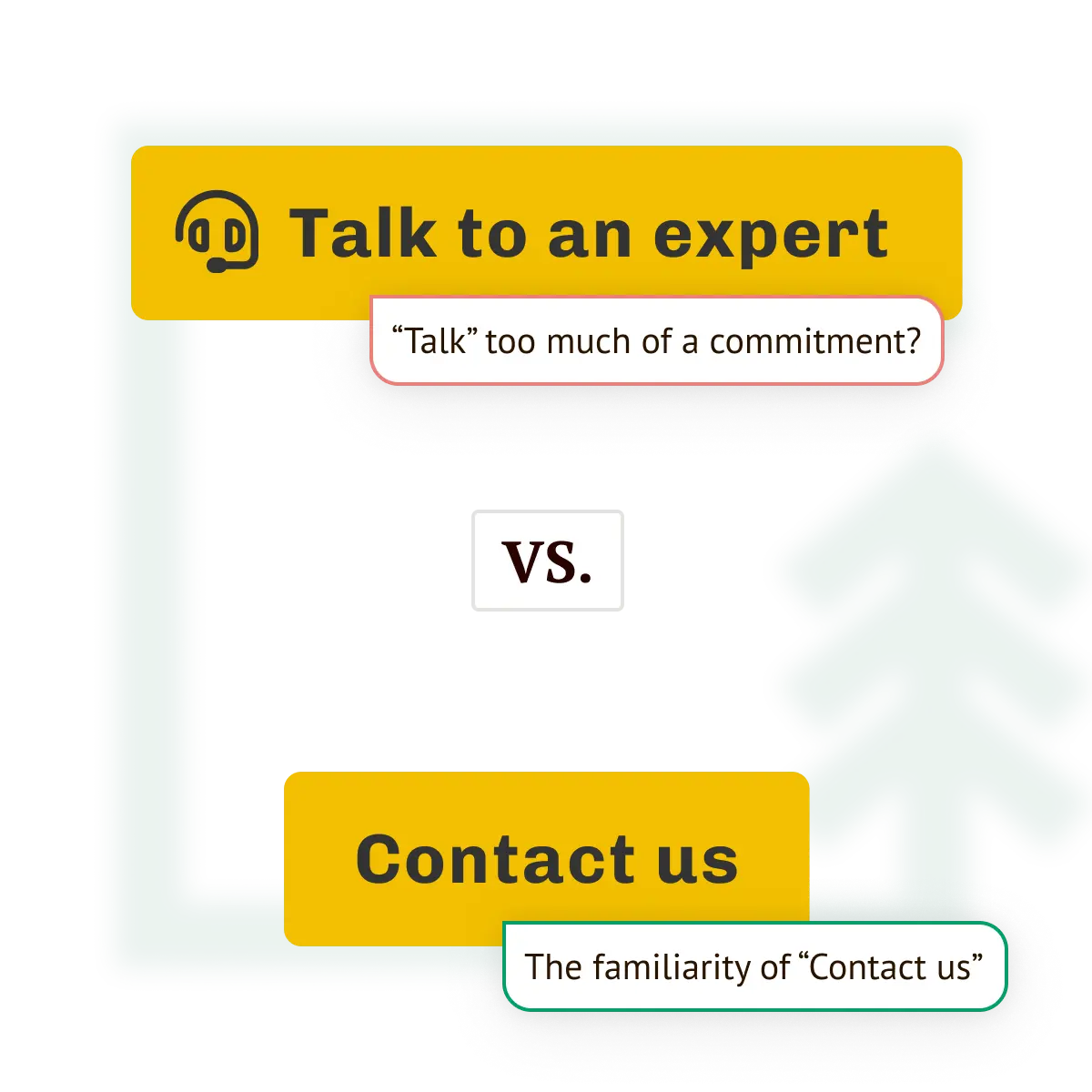
Relabeling the Call to Action

We noticed that a "Contact us" button on the hero, which simply scrolled users down to the contact form, was getting more engagement than the “Talk to an Expert” navigation button. Our hypothesis was that "Talk" felt too direct for users still in an exploratory mindset, so we relabeled the navigation button to "Contact us" and clicks increased noticeably. However, still 0-to-low conversion.

Trade-off: Higher clicks vs. losing a differentiating, expert-led tone.

Relabeling the Call to Action

We noticed that a "Contact us" button on the hero, which simply scrolled users down to the contact form, was getting more engagement than the “Talk to an Expert” navigation button. Our hypothesis was that "Talk" felt too direct for users still in an exploratory mindset, so we relabeled the navigation button to "Contact us" and clicks increased noticeably. However, still 0-to-low conversion.

Trade-off: Higher clicks vs. losing a differentiating, expert-led tone.

Going beyond heatmaps

Heatmaps could only tell us so much: they stopped at the click. The book a demo link led to an external scheduling tool outside our tracking, so I guided the BDR team to informally gather feedback from their leads, asking why they preferred the contact form over booking a demo directly.

Trade-off: Speed vs. evidence. Without this step, we would have kept optimizing the wrong thing.

Going beyond heatmaps

Heatmaps could only tell us so much: they stopped at the click. The book a demo link led to an external scheduling tool outside our tracking, so I guided the BDR team to informally gather feedback from their leads, asking why they preferred the contact form over booking a demo directly.

Trade-off: Speed vs. evidence. Without this step, we would have kept optimizing the wrong thing.

Simplifying the external booking form

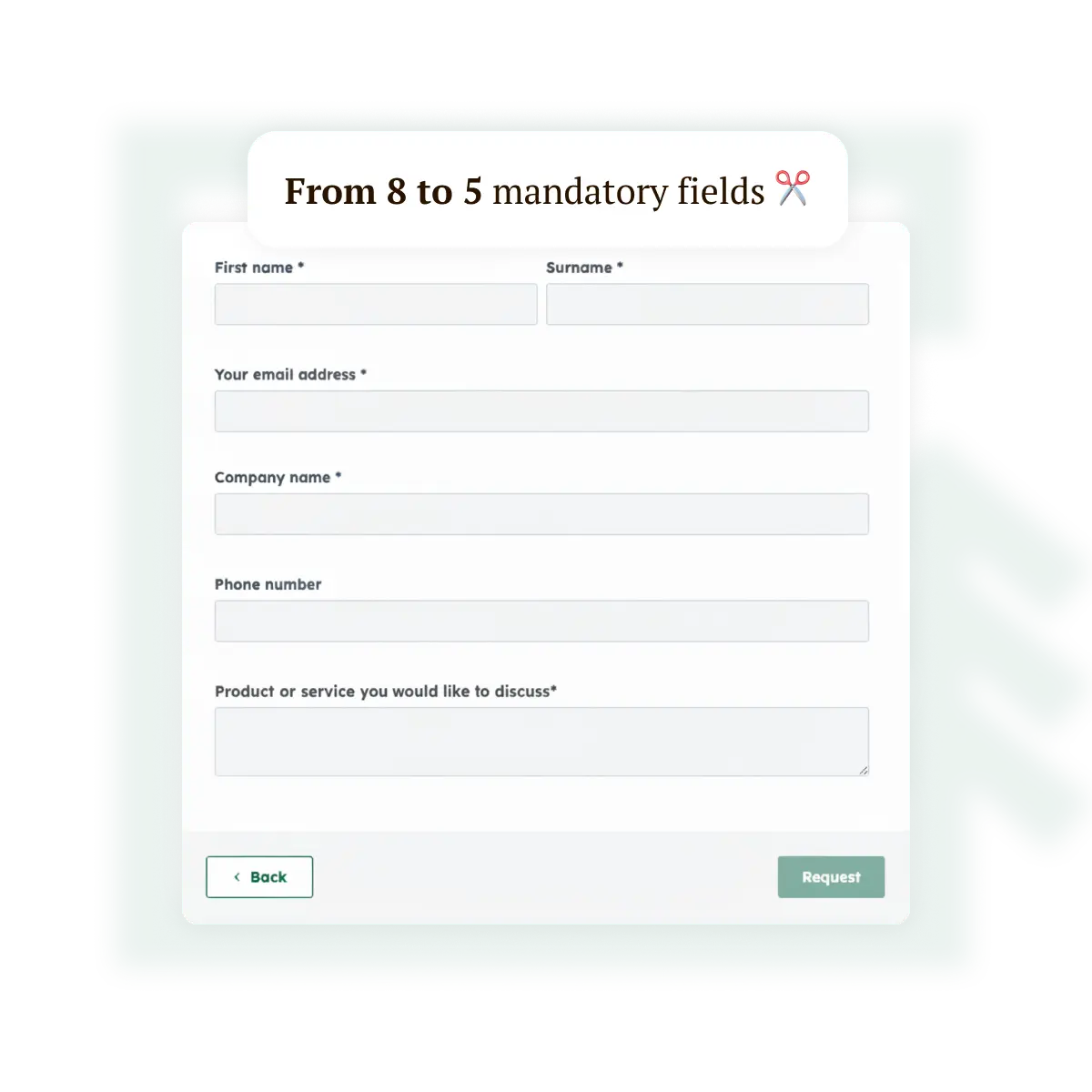
Feedback revealed that the external booking form asked for too many fields compared to the simpler contact form on the website. Reducing those fields was the highest impact decision of the project. We worked with the BDR team to identify the minimum set of fields that still qualified leads effectively.

Trade-off: Lower friction vs. lead quality.

Simplifying the external booking form

Feedback revealed that the external booking form asked for too many fields compared to the simpler contact form on the website. Reducing those fields was the highest impact decision of the project. We worked with the BDR team to identify the minimum set of fields that still qualified leads effectively.

Trade-off: Lower friction vs. lead quality.

Keeping the phone number despite low conversion

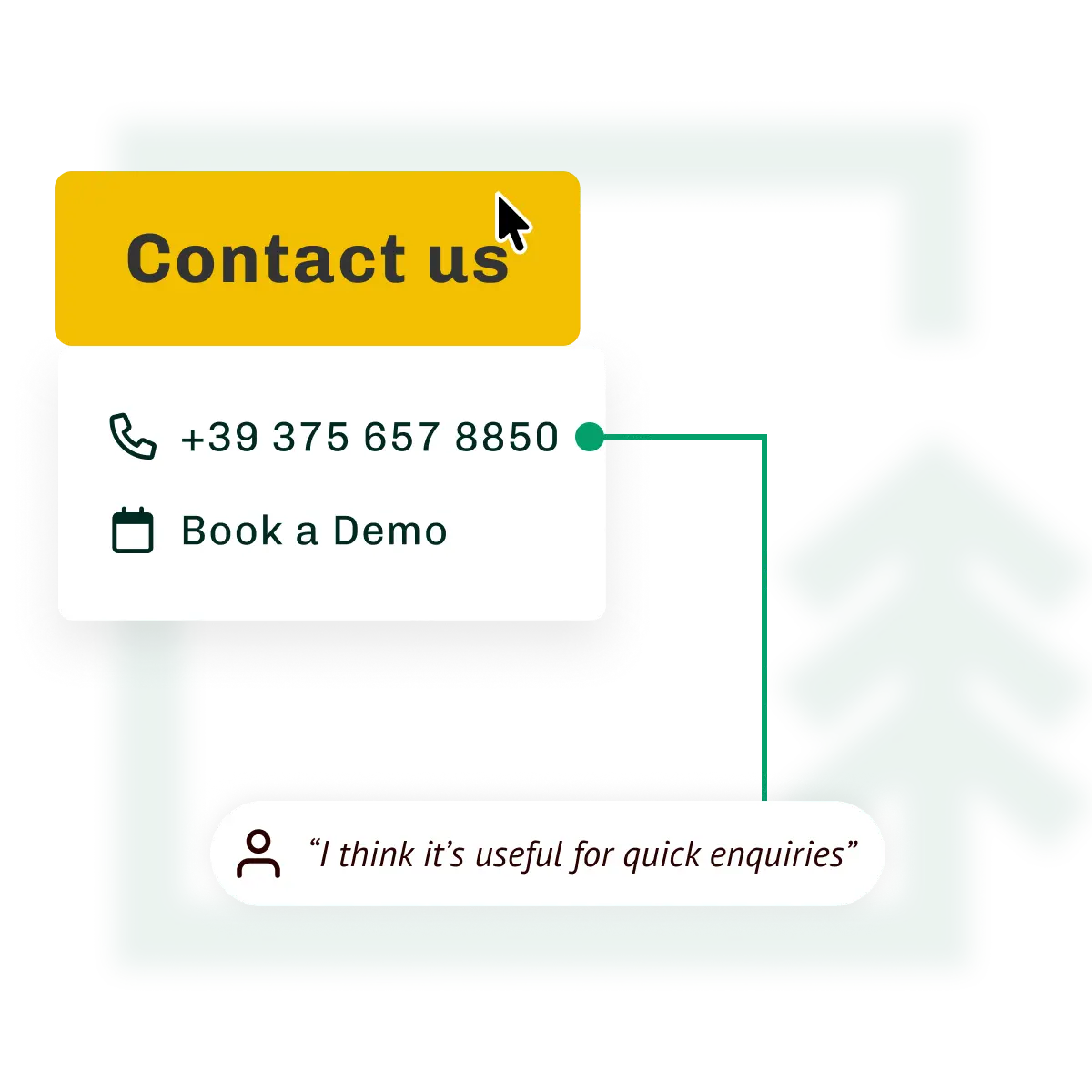
Leads also shared that while they appreciated having a phone number available, most preferred booking a slot at their convenience rather than calling on the spot. We chose to keep the option available as a low-cost addition that didn't hurt the experience..

Trade-off: Channel completeness vs. simplicity.

Keeping the phone number despite low conversion

Leads also shared that while they appreciated having a phone number available, most preferred booking a slot at their convenience rather than calling on the spot. We chose to keep the option available as a low-cost addition that didn't hurt the experience..

Trade-off: Channel completeness vs. simplicity.

Impact breakdown

Small changes in the right places made a measurable difference. By addressing friction at the source rather than on the surface, we exceeded our original target by a significant margin.

+28.6%

Contact conversion rate:
We reached and exceeded the +13% target. The book a demo channel became a functioning lead generation touchpoint, driven by a simpler, lower-friction scheduling process.

Positive prospect feedback

The BDR team reported that leads noticed both the clearer contact options and the smoother booking experience, reflecting improvements that went beyond the numbers.

Interested in learning more about the process and decisions behind?
Feel free to reach out.

Create a free website with Framer, the website builder loved by startups, designers and agencies.